For centuries, gold coins have served as a universal symbol of wealth, power, and stability. While modern bullion coins like the American Eagle or the South African Krugerrand are valued primarily for their precious metal content, “old” or numismatic gold coins operate in a different realm of value. To the untrained eye, a scuffed gold coin from the 19th century might look like a simple piece of metal, but to a collector or investor, it could represent a fortune.
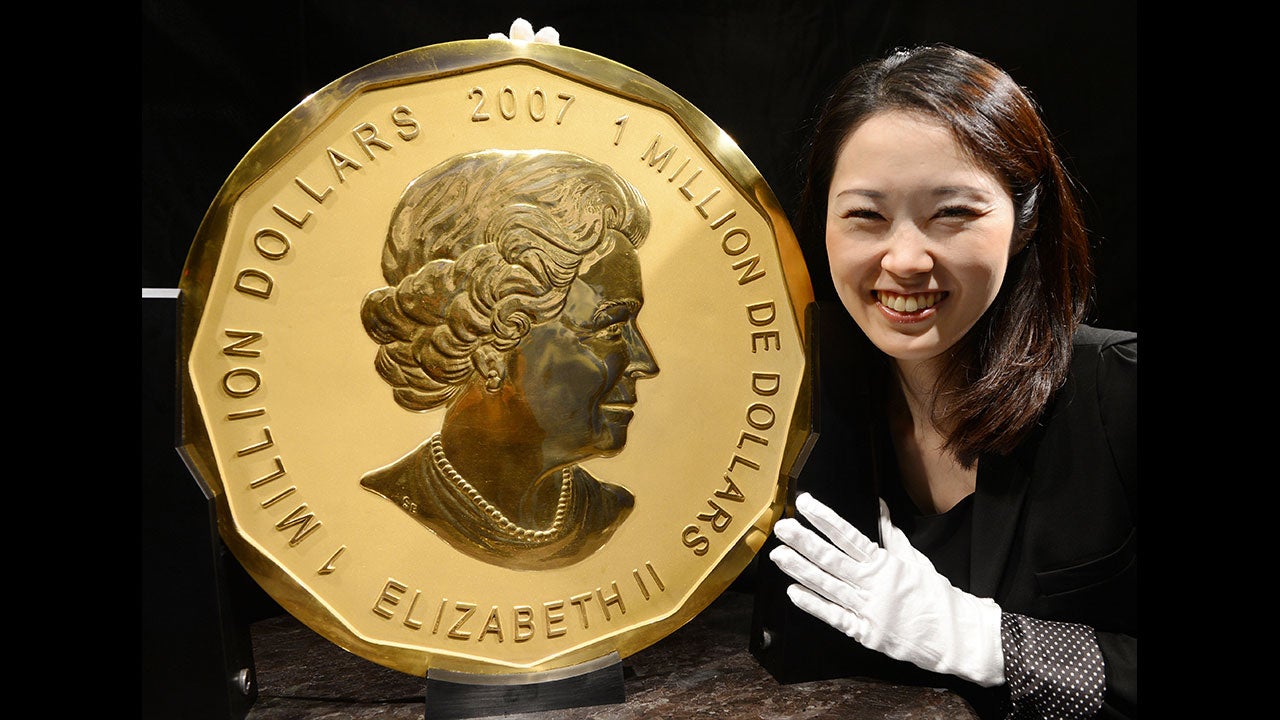
The transition from a simple bullion value to a numismatic premium is determined by a specific set of criteria. If you are looking to invest in historical gold or have discovered an old coin in a family collection, understanding what drives its worth is essential. Here are the four primary factors that determine the value of old gold coins.
1. Rarity and Mintage Figures
The most significant driver of value in the numismatic world is rarity. In economics, the law of supply and demand dictates price, and in coin collecting, supply is fixed by the original mintage figures.
Mintage refers to the total number of coins produced by a mint in a specific year. However, a high initial mintage does not always mean a coin is common today. Throughout history, governments have recalled gold coins to melt them down for newer issues or to stabilize the economy. For example, during the U.S. Gold Recall of 1933, millions of gold coins were melted into bars, making surviving specimens of certain years incredibly rare.
Rarity is often categorized into two types:
- Absolute Rarity: Very few of the coins were ever made.
- Condition Rarity: Many coins were made, but very few have survived in “Mint State” or uncirculated condition.
When a coin is one of only a handful known to exist, its value can skyrocket into the millions, regardless of the current price of gold.
2. Condition and Grade (The Sheldon Scale)
In the world of professional coin collecting, the physical condition of a coin is paramount. Even a microscopic scratch or a slight dulling of the coin’s original luster can result in a price difference of thousands of dollars.
Professional grading services, such as the PCGS (Professional Coin Grading Service) or NGC (Numismatic Guaranty Company), use the Sheldon Scale to evaluate coins. This scale ranges from 1 to 70:
- 1 (Poor): The coin is barely identifiable.
- 60-70 (Mint State): The coin has never been in circulation and retains its original “bloom” or luster.
A gold coin graded MS-65 (Choice Uncirculated) will always command a much higher premium than the exact same coin graded AU-50 (About Uncirculated). Collectors are willing to pay a “condition premium” because high-grade coins are aesthetically superior and significantly harder to find. It is crucial to never clean an old gold coin yourself, as cleaning can create microscopic abrasions that permanently destroy its numismatic grade and value.
3. Historical Significance and Provenance
A coin is more than just currency; it is a historical document. The era in which a coin was struck and the events it survived add a “story” element that can greatly enhance its desirability.
Coins struck during pivotal moments in history—such as the California Gold Rush, the Napoleonic Wars, or the Roman Empire—carry a romantic appeal that attracts wealthy collectors. Furthermore, the “provenance” or the history of ownership can impact value. If a coin was once part of a famous collection (like the Eliasberg or Pogue collections), it carries a pedigree that guarantees its authenticity and adds to its prestige.
Additionally, “mint marks” play a role in historical value. A gold coin struck at a short-lived mint, such as the Carson City Mint (marked with “CC”) during the American frontier era, is often more valuable than a similar coin struck in Philadelphia because of the historical lore associated with the Old West.
4. Intrinsic Gold Content and Purity
While rarity and condition are the “premium” drivers, the “floor” of a gold coin’s value is always determined by its intrinsic metal content. Unlike copper or nickel coins, gold coins have a high baseline value because they are made of a precious metal that is difficult to mine and refine.
Most historical gold coins are not 24-karat (pure gold) because pure gold is too soft to withstand the rigors of circulation. Instead, they were typically minted in 22-karat gold (90% to 91.7% purity) and alloyed with copper or silver for durability.
To calculate the intrinsic value, you must know the Fine Gold Content, which is the actual weight of the gold within the coin, excluding the alloy. For instance, an old British Sovereign has a gross weight of 7.98 grams, but its fine gold content is 7.32 grams. Even if the coin is too worn to have numismatic value, it will always be worth at least the current “spot price” of its gold weight.
Conclusion
Valuing old gold coins is a delicate balance between science and art. While the intrinsic gold content provides a safety net for your investment, it is the combination of rarity, condition, and historical narrative that creates true wealth. Whether you are a casual hobbyist or a serious investor, always look beyond the shine of the metal.
The most valuable coins are those that tell a story, represent a vanished era, and have survived the passage of time in pristine condition. Before selling or buying, it is always advisable to have your coins authenticated and graded by a reputable third-party service to ensure you are capturing the full value of these “pocket-sized” pieces of history.
Would you like me to provide a list of the most valuable historical gold coins currently sought after by global collectors?